
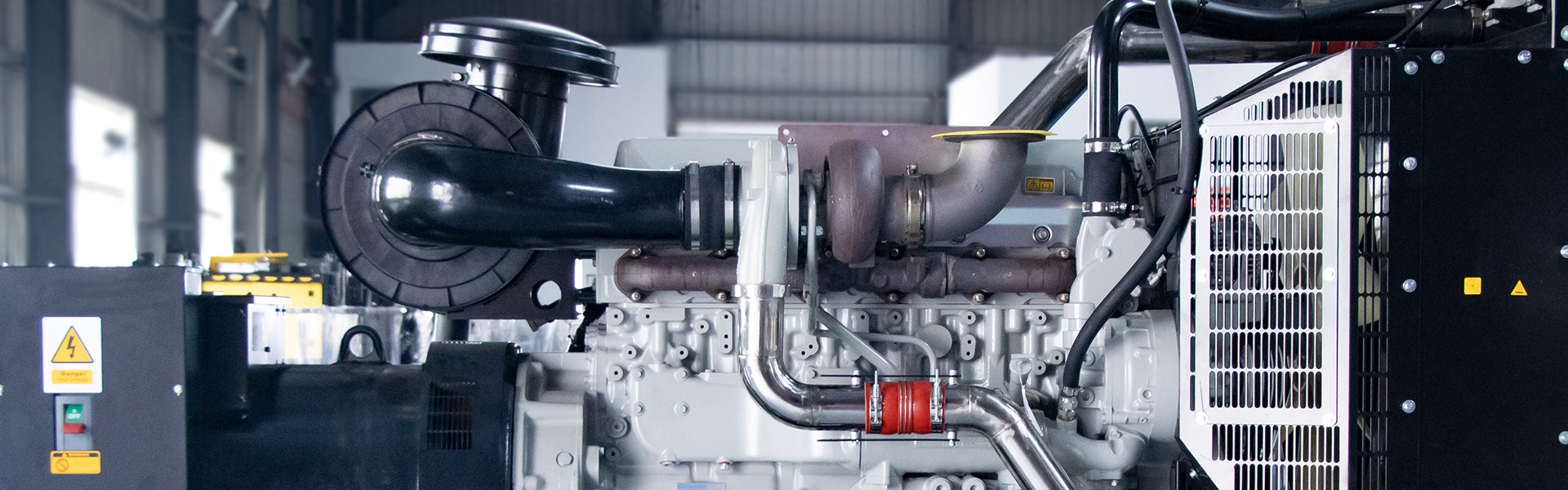
Buying a diesel generator in 2026 is not simply a matter of choosing a power rating and comparing supplier quotations. The price of a diesel generator can vary significantly depending on its capacity, engine brand, standby or prime power rating, enclosure type, control system, emission requirements, and delivery configuration.
For commercial and industrial buyers, a small diesel generator may cost several thousand dollars, while a large industrial generator rated at 1,000 kW or more can require an investment of hundreds of thousands of dollars. Installation, fuel storage, electrical integration, and commissioning can further increase the project budget.
This guide explains how much a diesel generator costs in 2026, compares typical prices across different power ranges, and identifies the main factors affecting quotations. It also provides practical examples from LEHUI Power Factory to help buyers evaluate generator specifications and request a more accurate quotation.
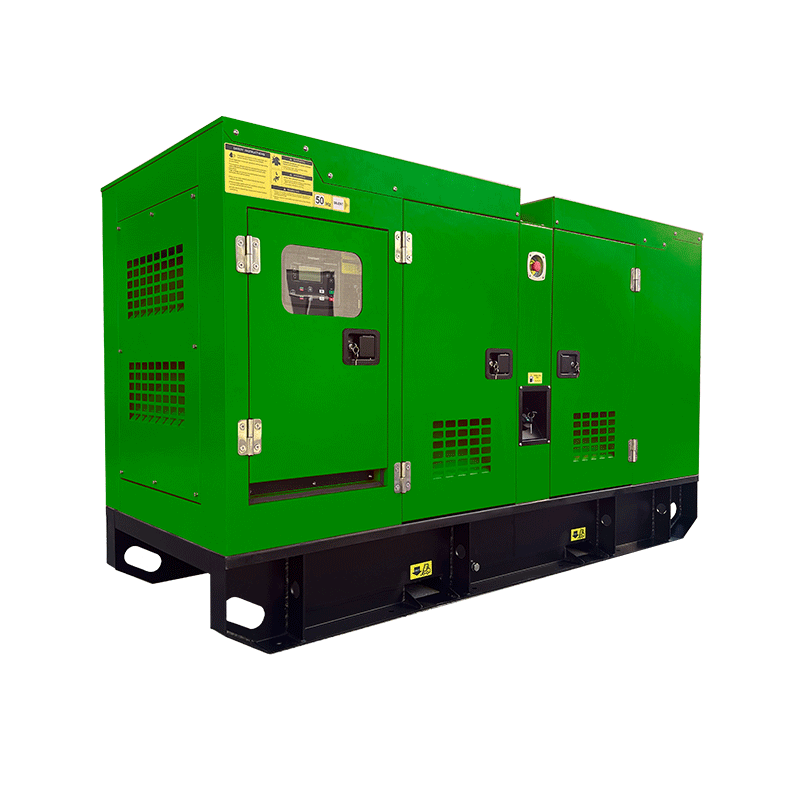
Industrial diesel generator sets are available in different power ratings and configurations to meet commercial, industrial, and emergency power requirements.
In 2026, a new diesel generator typically costs approximately $3,000 to $300,000 or more for standard industrial configurations, depending on its power output, engine selection, and equipment specifications. Larger power systems, multiple-generator installations, and customized projects can exceed this range.
The following table provides an indicative equipment-only price reference for buyers comparing diesel generator sets. These are budgetary estimates for standard configurations, not fixed LEHUI quotations. Actual factory prices may differ depending on engine brand, order quantity, enclosure, voltage, frequency, and project requirements.
| Generator Power | Estimated Equipment Price (USD) | Typical Applications |
|---|---|---|
| 10–30 kW | $3,000–$8,500 | Small businesses, telecom, workshops, backup power |
| 30–50 kW | $5,000–$12,000 | Small factories, offices, retail facilities |
| 50–100 kW | $7,500–$18,000 | Commercial buildings, farms, workshops |
| 100–200 kW | $12,000–$30,000 | Factories, hotels, warehouses, hospitals |
| 250–500 kW | $22,000–$55,000 | Manufacturing plants, large commercial facilities |
| 500–800 kW | $40,000–$90,000 | Heavy industry, infrastructure, large buildings |
| 1,000 kW | $70,000–$140,000 | Data centers, large factories, utility applications |
| 1,500–2,500 kW | $120,000–$350,000+ | Mining, large infrastructure, industrial power plants |
Prices above are approximate equipment budgets for standard configurations and may vary substantially by manufacturer, engine brand, emissions compliance, market, and specification. They generally exclude international freight, customs duties, installation, fuel tanks, ATS, and other project costs. Premium engine configurations and specialized emission requirements may result in higher prices.
For buyers comparing suppliers, it is important to request quotations based on the same power rating, duty class, engine brand, voltage, frequency, and accessory configuration. A lower quotation may reflect a different specification rather than a better deal.
Power output is usually the starting point when estimating diesel generator cost. However, the generator's actual operating load and whether it is designed for standby, prime, or continuous power also determine which model is appropriate.
For example, a facility requiring 100 kW of backup power may need a generator with additional capacity to handle motor starting, sudden load changes, and future expansion. Choosing the correct power rating helps avoid both unnecessary purchase costs and overload risks.
Small diesel generators from 10 kW to 50 kW
Small diesel generators are commonly used in workshops, retail buildings, construction sites, farms, communication equipment, and small commercial facilities. Buyers in this range often prioritize fuel efficiency, compact dimensions, ease of maintenance, and affordable initial investment.
Open-frame models generally cost less than sound-attenuated generators. A silent canopy, larger fuel tank, remote monitoring, and automatic starting functions may increase the final price.
Medium diesel generators from 50 kW to 200 kW
This power range is widely used in commercial buildings, manufacturing workshops, warehouses, hotels, healthcare facilities, and small industrial operations. Engine selection becomes a more important cost factor as buyers begin comparing internationally recognized engine brands, local engine options, and service availability.
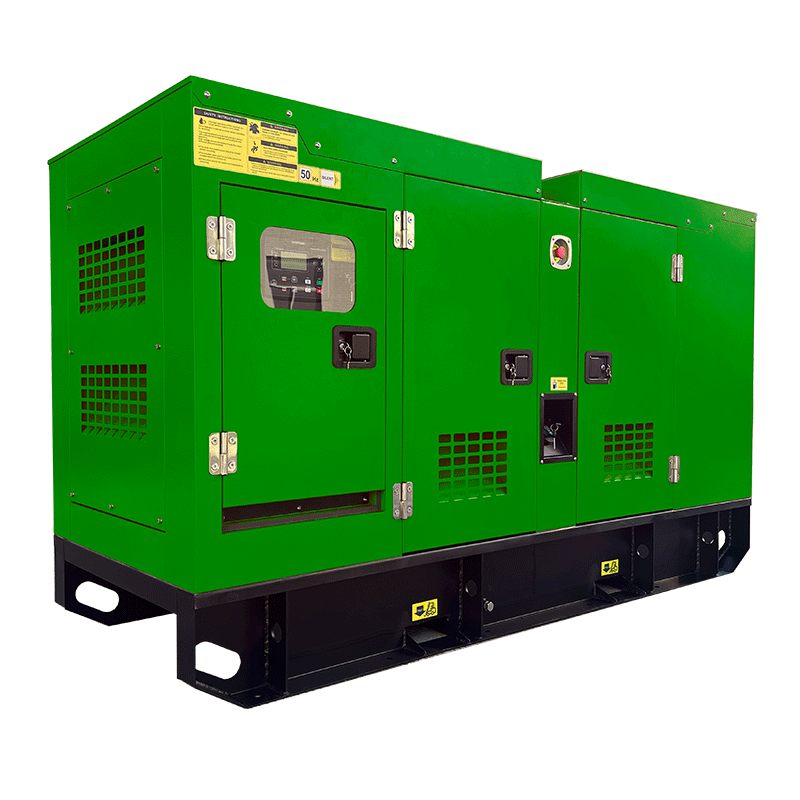
Enclosed diesel generator configuration for outdoor installation and commercial power supply.
LEHUI's 100 kVA diesel generator is an example of a medium-capacity unit designed for commercial and industrial applications. It uses a Cummins 4BTA3.9-G13 engine and is rated at 80 kW / 100 kVA prime power. The published full-load fuel consumption is 20 L/h.
This type of generator can be considered for facilities where a dependable backup supply is required for essential equipment, lighting, production systems, or commercial operations.
Large industrial generators from 250 kW to 800 kW
Large industrial generators are typically purchased for factories, large construction projects, hospitals, data centers, mining operations, and infrastructure projects. Their prices are influenced by engine displacement, alternator capacity, cooling systems, control equipment, enclosure design, and the complexity of installation.
At this level, buyers may also require parallel operation, remote monitoring, load-sharing controls, larger fuel systems, and customized acoustic treatment.
For example, LEHUI's 500 kVA Cummins diesel generator is rated at 400 kW / 500 kVA prime power and 440 kW / 550 kVA standby power. It uses a Cummins KTA19-G3A engine and is configured for 50 Hz operation.
High-capacity generators above 1,000 kW
Generators above 1 MW are generally used for large-scale power applications, including data centers, mining, industrial production, utilities, and major infrastructure projects.
These systems may require multiple generator sets operating in parallel rather than relying on one oversized unit. The project price can include synchronizing panels, load-sharing controls, protection systems, fuel infrastructure, and customized installation arrangements.
LEHUI also supplies high-capacity configurations such as its 2500 kVA Cummins standby diesel generator, with a published rating of 2,000 kW prime and 2,200 kW standby output. This type of equipment is intended for projects with substantial power requirements.
Two diesel generators with the same kW rating may have very different quotations. The reason is that generator capacity is only one part of the equipment specification.
Engine brand and configuration
The diesel engine is one of the most important cost components. Different engine manufacturers offer different performance characteristics, fuel consumption, maintenance requirements, parts availability, and warranty conditions.
LEHUI offers generator configurations with engine brands including Cummins, Perkins, MTU, Scania, Volvo, Doosan, SDEC, Baudouin, Weichai, and others, depending on the model and project requirements.
For buyers exporting equipment to another country, engine brand selection should also consider local technician availability, spare parts distribution, and service support. A less expensive engine may not be the most economical choice if maintenance support is difficult to obtain.
Standby power versus prime power
Standby power generators are designed to supply electricity during utility outages. Prime power generators are intended for applications where the generator serves as the main power source and operates for extended periods under varying loads.
Prime and standby ratings are not interchangeable. A generator rated at 500 kVA standby may have a lower prime rating. Buyers should check the actual kW and kVA rating applicable to their operating conditions rather than comparing only the model name.
Open type, silent type, and containerized generators
Generator enclosure design also affects the purchase price.
Sound attenuation requirements, ventilation design, enclosure materials, corrosion protection, and fuel tank capacity can all affect the final quotation.
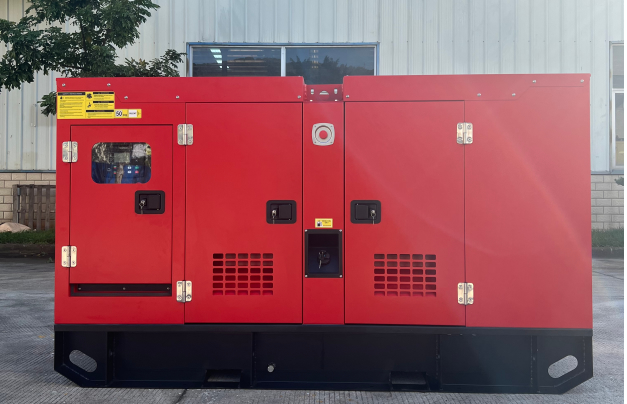
Enclosure design, weather protection, ventilation, and noise reduction are important factors when comparing generator configurations.
Voltage, frequency, and alternator specifications
A generator designed for 50 Hz operation may not be directly interchangeable with a 60 Hz unit. Voltage, phase, alternator insulation, winding configuration, and control settings should match the site's electrical requirements.
For international projects, buyers should confirm whether the generator is required for 380 V, 400 V, 415 V, 440 V, 480 V, 220 V, or another voltage configuration. A customized alternator or control system may affect the price.
Emission requirements and environmental conditions
Emission regulations vary by country and application. Some markets require specific emission certifications or engine configurations, which may add cost. Buyers should confirm local regulations before selecting an engine.
Generators installed in high-temperature, high-altitude, dusty, humid, coastal, or cold-weather environments may also require additional cooling capacity, filtration, heating, corrosion protection, or other customized features.
The generator equipment price is not the same as the total cost of installing and operating a backup power system. For many commercial and industrial projects, additional infrastructure can account for a significant part of the investment.
| Cost Item | What It Includes |
|---|---|
| Generator equipment | Engine, alternator, control panel, base frame, standard accessories |
| Automatic transfer switch (ATS) | Automatic switching between utility and generator power |
| Fuel system | Fuel tank, piping, pumps, filtration, fuel management |
| Site preparation | Concrete foundation, drainage, access, lifting, and installation space |
| Electrical integration | Cables, switchgear, breakers, grounding, and connections |
| Transportation | Factory delivery, international shipping, inland transport, unloading |
| Commissioning | Installation inspection, testing, load testing, and startup |
For example, a buyer purchasing a 200 kW generator for a factory may also need an ATS, fuel tank, exhaust system, concrete foundation, electrical cabling, and installation labor. The final project budget could therefore be considerably higher than the factory equipment quotation.
When requesting a quotation, ask the supplier to clearly identify what is included and excluded. This makes it easier to compare quotations from different manufacturers without overlooking additional costs.
Choosing a generator that is too small can result in overload, voltage instability, or failure to start critical equipment. Choosing a generator that is unnecessarily large can increase purchase costs, fuel consumption at low loads, and maintenance expenses.
A practical generator selection process should include the following considerations:
For facilities with several large loads, a load study is often more useful than simply adding the nameplate ratings of every machine. Some equipment operates intermittently, while motors, compressors, pumps, and HVAC systems may require additional starting capacity.
A professional supplier can use these details to recommend an appropriate generator size and configuration instead of relying on a rough estimate.
When purchasing a diesel generator for a business or industrial project, the lowest quotation is not always the best value. Equipment reliability, manufacturing quality, testing procedures, spare parts availability, and after-sales support can influence the generator's lifetime cost.
Before selecting a supplier, buyers should check:
LEHUI Power Factory manufactures generator sets covering a broad power range, from small units to high-capacity industrial configurations. Its product range includes diesel generators powered by multiple engine brands, customized generator enclosures, hybrid power systems, and equipment for commercial, industrial, and emergency applications.
Buyers can review the available generator and power equipment product range to compare configurations and identify suitable models before requesting a project quotation.
Providing complete technical information helps manufacturers prepare more accurate quotations and reduces unnecessary communication during the selection process.
For a diesel generator quotation, buyers should ideally provide:
Even if some specifications are not yet confirmed, providing the application, estimated load, and destination is a useful starting point. A generator manufacturer can help identify the missing technical requirements and recommend a suitable configuration.
How much does a diesel generator cost in 2026?
A standard diesel generator may cost approximately $3,000 for a small unit and more than $300,000 for a large industrial configuration. The final price depends on power output, engine brand, generator type, enclosure, emissions requirements, and accessories.
How much does a 100 kW diesel generator cost?
A new 100 kW diesel generator may cost approximately $12,000–$25,000 for a standard industrial configuration. Premium engine brands, silent enclosures, customized fuel tanks, and additional control features can increase the quotation.
How much does a 500 kW diesel generator cost?
A 500 kW diesel generator may cost approximately $40,000–$90,000 or more depending on engine brand, alternator, enclosure, duty rating, and configuration. Installation, shipping, fuel infrastructure, and electrical integration are generally additional costs.
Are diesel generators cheaper when purchased directly from a manufacturer?
Buying directly from a manufacturer may reduce intermediary costs and provide more flexibility for customization. However, buyers should also evaluate product quality, technical support, warranty terms, delivery costs, and the supplier's ability to meet project specifications.
Does a silent diesel generator cost more than an open-type generator?
Yes, silent generators generally cost more because they include acoustic enclosures, noise-reduction materials, ventilation design, and additional structural components. The actual price difference depends on the noise level requirement and enclosure specification.
What is the difference between prime power and standby power?
Prime power is designed for extended operation under varying loads, while standby power is intended to supply electricity during utility outages. The ratings and operating limitations differ, so buyers should confirm the correct power rating for their application.
How much does generator installation cost?
Installation costs depend on generator size, site conditions, electrical infrastructure, fuel system, foundation, transportation, and local labor. For larger industrial projects, installation and supporting infrastructure can represent a substantial part of the total project budget.
Can LEHUI customize a diesel generator for my project?
Yes. Generator configurations can be selected according to project power requirements, engine brand, voltage, frequency, enclosure, fuel system, and other application-specific needs. Buyers should provide their project details when requesting a quotation.
How can I get an accurate diesel generator price?
The most reliable way is to submit your required power rating, application, voltage, frequency, engine preference, generator configuration, quantity, and destination country to the manufacturer. A quotation based on these details is more useful than a general online price estimate.
Looking for a diesel generator for your project?
LEHUI Power Factory supplies diesel generator sets for commercial, industrial, and emergency power applications. Share your required power output, operating conditions, and configuration with the team to receive a suitable recommendation and quotation.
 NO.2 XIAHE ROAD GANZHE STREET,MINHOU COUNTY,FUZHOU FUJIAN CHINA
Please read on, stay posted, subscribe, and we welcome you to tell us what you think.


Copyright @ 2026 LEHUI (FUZHOU) INTELLIGENT EQUIPMENT MANUFACTURING CO., LTD All Rights Reserved.
 Network Supported
 English
 français
 Deutsch
 italiano
 русский
 español
 português
 العربية
 Melayu
 Indonesia

